It should come as no surprise that many people are using distance healing, a technique that transcends physical distances to provide therapeutic energy, in a time when digital connectivity is booming. This comprehensive guide provides clarity, useful ideas, and a deeper look into the expanding field of distance healing, whether you’re interested in remote Reiki sessions, healing over vast distances, or understanding how intention can impact your well-being.
While this may sound like an esoteric practice, distance healing has been used for centuries. Today, it continues to evolve, grounded in spiritual traditions and increasingly supported by scientific exploration. Here’s what you need to know about how it works and why it’s worth considering.
What Is Distance Healing? (Remote Energy Healing Explained)
At its core, distance healing, also known as remote healing, involves sending healing energy to a recipient who is not physically present. Unlike conventional therapies, it operates on the belief that energy is non-local, meaning it can transcend the constraints of time and physical space.
Practitioners typically tap into a person’s biofield (the subtle energy field surrounding the body) and channel healing energy to improve physical, emotional, or spiritual health. This method relies on the concept that energy flows through intention and consciousness, and when directed properly, can bring balance and healing.
The Roots of Distance Healing: Tradition Meets Science
Though modern interpretations of distance healing are often associated with energy medicine and quantum physics, the practice itself is rooted in ancient healing systems:
- Reiki, a Japanese healing art, was developed in the early 20th century and is one of the most widely practiced methods of remote healing today.
- Spiritual or Intercessory Prayer is one of the oldest forms of distance healing, where the healer focuses on sending prayers or positive energy to someone in need.
- In addition, practices such as Chakra balancing and aura cleansing aim to clear energetic blockages, and these techniques are also applied from a distance using focused intention.
In today’s wellness landscape, the increasing dialogue between energy healing and quantum physics raises fascinating questions. Some researchers suggest that energy healing might be explained through principles like quantum entanglement and biophotons, where energy at the quantum level can affect distant objects or individuals.
How Distance Healing Works: The Process Behind the Practice
While the core principles of distance healing are universally acknowledged, each practitioner has a unique approach. Generally, however, a distance healing session follows several key steps:
1. Preparation
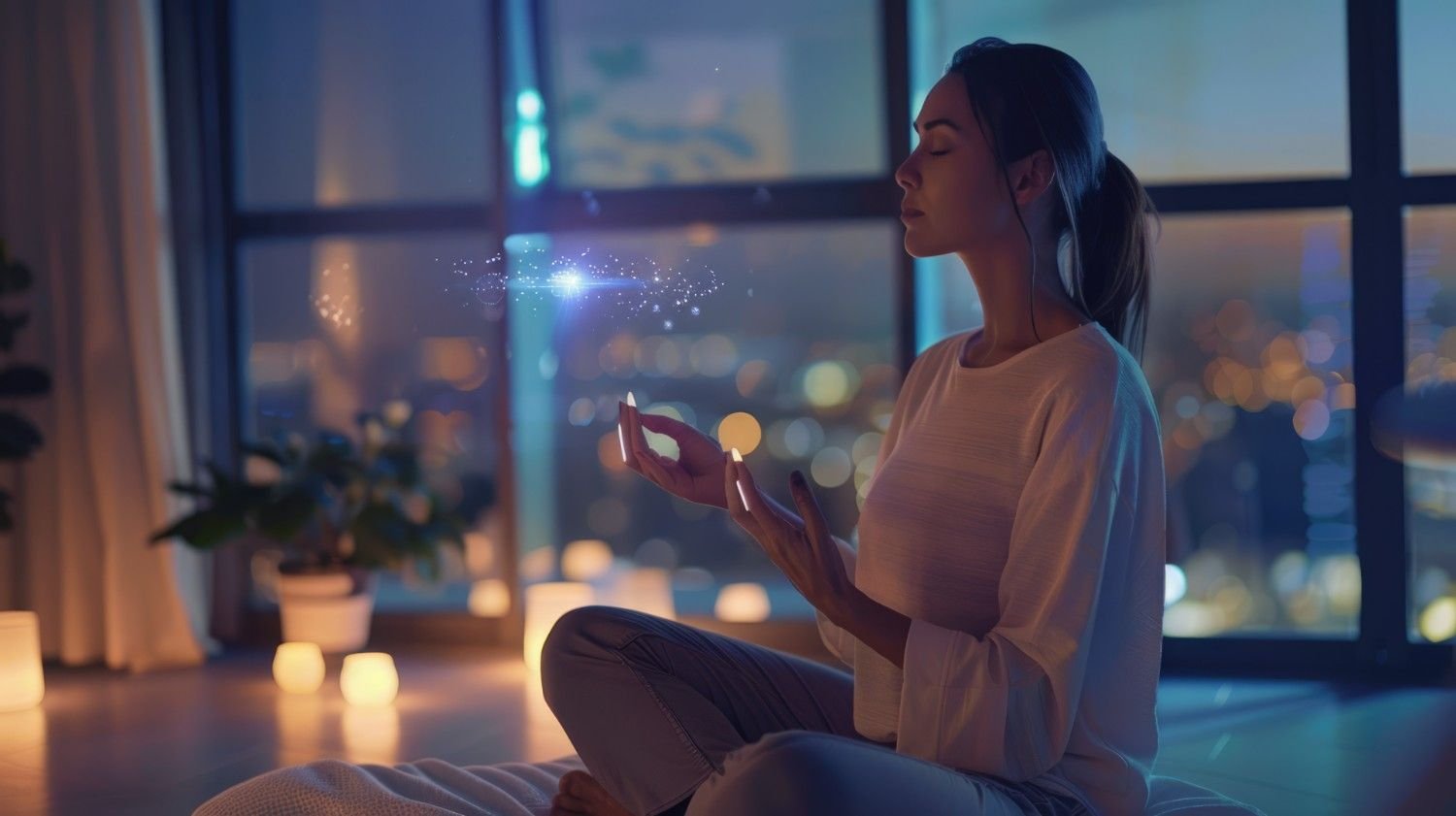
Before the session begins, both the practitioner and the recipient establish a quiet space to allow for relaxation and openness. The recipient is often asked to lie down, close their eyes, and focus on receiving energy.
2. Energetic Connection
The practitioner connects to the recipient’s energy field, which can be done using personal items like photographs or even simply the person’s name and location. This connection is thought to create a conduit for the energy to flow between the healer and the recipient, regardless of distance.
3. Intent and Channeling
Once the connection is established, the healer sets a clear intention for the healing process, focusing their mind on what they aim to achieve (e.g., emotional balance, physical healing). They then channel energy, often described as Qi, Prana, or Universal Life Force, toward the recipient, using visualization, symbols (e.g., Hon Sha Ze Sho Nen for Reiki), or prayer.
4. Closing
The session typically concludes with a closing gesture or a prayer to seal the healing process. Some practitioners check in with the recipient afterward to discuss any physical or emotional sensations that arose during the session.
Common Modalities in Distance Healing
While Reiki is the most well-known practice for remote healing, other modalities are equally effective:
- Pranic Healing: A technique that uses focused visualization and hand movements to cleanse and balance the recipient’s aura or energy body. Practitioners work remotely by focusing on the energy field to release blockages.
- Distance Acupuncture (DAT): This needle-free technique provides the therapeutic benefits of acupuncture remotely, focusing on clearing energetic blockages without the use of physical needles.
- Chakra and Aura Cleansing: Involves clearing energetic blockages in the body’s subtle energy fields through focused meditation and intention. This method is particularly effective for emotional healing.
Each modality emphasizes the importance of intention, focus, and visualization to bring about energetic balance, irrespective of the healer’s or recipient’s physical location.
The Science Behind Distance Healing: What Research Shows

While the idea of energy being transferred across space might sound unconventional, there is growing interest in distance healing within scientific communities. Research findings vary, but several studies indicate that the practice can have measurable effects.
Research Outcomes
A 2025 systematic review of randomized controlled trials (RCTs) analyzed the effectiveness of distance healing in conditions like anxiety, chronic wounds, and even AIDS. Approximately 57% of the trials showed positive results, indicating that distance healing might help improve physical and emotional well-being. However, the studies also noted methodological challenges, including small sample sizes and the difficulty of controlling for placebo effects.
Proposed Mechanisms
One theory that has gained traction among both practitioners and researchers is the idea of quantum entanglement — a principle in quantum physics that suggests particles can remain interconnected, no matter the distance. Some energy healers believe this principle might explain how healing energy can transcend space and time.
Another concept gaining traction is the idea of biophotons — light emissions from living cells. These photons may play a role in transmitting information across the body’s energy fields. Some researchers suggest that intentional thoughts or feelings could influence these biophotons, providing a potential scientific framework for distance healing.
Complementary Nature
It’s crucial to note that distance healing is generally viewed as a complementary therapy rather than a replacement for traditional medical treatments. Experts recommend continuing conventional care alongside energy healing practices, especially when dealing with serious health conditions.
Frequently Asked Questions (FAQs)
1. Can distance healing really work?
Many people report positive outcomes, including stress relief, improved mood, and better physical well-being after a session. Scientific studies support some of these claims, though results can vary by individual.
2. Do I need to believe in distance healing for it to work?
While an open mind and intention can enhance the experience, belief is not necessary for the process to work. Skeptics often still report positive results.
3. How long does a distance healing session take?
Sessions generally last between 30 to 60 minutes, depending on the practitioner and the recipient’s needs.
4. Can distance healing replace traditional medical care?
No. Distance healing is best used as a complementary therapy. Always consult a healthcare provider for any medical concerns.
5. What does a distance healing session feel like?
Many recipients report feeling warmth, tingling, or deep relaxation during the session. Some also experience emotional release or clarity afterward.
Final Thoughts: The Potential of Distance Healing
Distance healing holds immense potential in our modern world — it offers accessibility, convenience, and an alternative approach to well-being, especially for those who might have trouble accessing in-person treatments. While the practice is rooted in centuries-old traditions, it is also gaining momentum in the realm of science, with ongoing studies exploring its effectiveness.
If you’re curious about remote Reiki, pranic healing, or other forms of energy work, consider experimenting with a session to experience the potential benefits firsthand. However, always remember that this form of healing is best used in conjunction with traditional medicine, especially for more serious health issues.