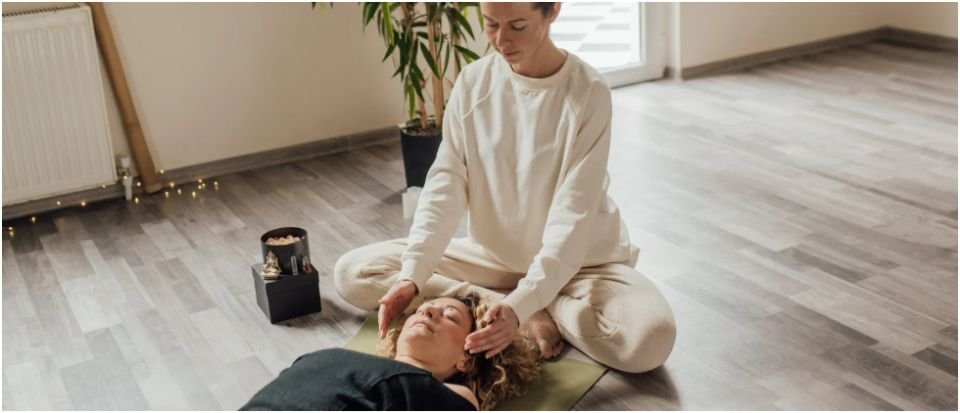
I get asked this question a lot, and I’ve asked it myself too: does energy healing really work? Not in a mystical, cure-everything way, but in a real-life, “I want to feel better and understand why” way.
Here’s the honest answer upfront so you don’t have to scroll endlessly. Energy healing does not cure diseases, and science has not proven that a universal life force like qi or prana exists. At the same time, many people, including me, notice real changes in stress levels, emotional balance, and overall calm after sessions.
So if you’re trying to decide whether energy healing is worth your time, this post focuses on what actually happens in your body, why it feels effective, and how to use it safely without replacing real medical care.
Does energy healing really work from a scientific point of view?
From a strict scientific lens, energy healing does not work as a medical treatment. Researchers have not found evidence that it alters disease progression, treats infections, or cures physical or mental illness.
Most scientists explain the benefits people feel through relaxation, expectation, and nervous system regulation. When you lie still, breathe slowly, and feel supported, your body shifts out of fight-or-flight mode. That shift alone can change how you experience pain, anxiety, and fatigue.
Some studies show measurable changes like improved heart rate variability and lower blood pressure after practices such as Reiki. These changes reflect stress reduction, not energy transfer, but they still matter if your goal is feeling calmer and more grounded.
Why do people feel real results after energy healing sessions?

Even without a proven life force, the body responds strongly to calm, focused environments. That’s where energy healing tends to shine.
During a session, your nervous system often moves into a parasympathetic state. This “rest and digest” mode lowers cortisol and slows your heart rate. I notice this most when my mind finally quiets and my breathing deepens without effort.
Brainwave studies add another layer. EEG scans show many people enter alpha or theta states during sessions. These brainwaves connect to meditation, creativity, and emotional processing. That’s why people often leave feeling mentally lighter or emotionally clearer.
Expectation plays a role too. Feeling cared for and listened to changes how the brain interprets discomfort. That doesn’t make the experience fake. It makes it human.
How does energy healing claim to work in traditional practice?
Most energy healing systems share a similar belief structure, even though science hasn’t validated it.
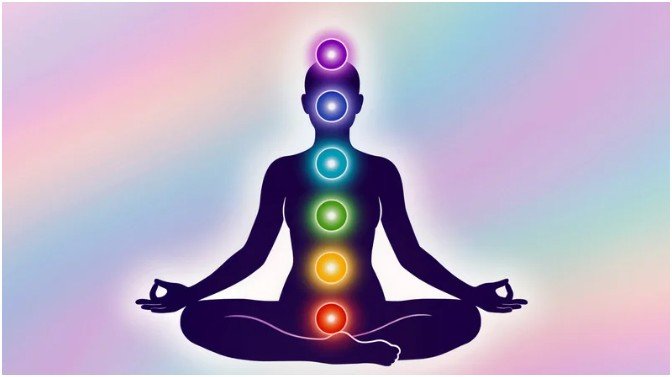
Practitioners believe the body has a surrounding biofield and internal energy centers, often called chakras. They view illness or emotional stress as blockages or imbalances in this system rather than purely physical problems.
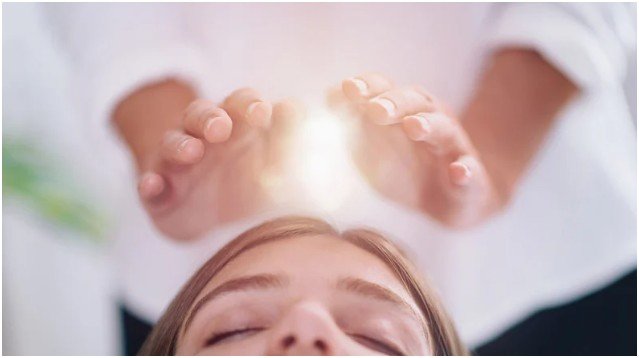
During sessions, practitioners use light touch, hands held above the body, breathwork, or visualization to clear these blockages. The intention focuses on restoring balance so the body can regulate itself more effectively.
Distance healing has also grown in popularity. It relies on the idea that energy transcends physical space. While science does not support this mechanism, people still report similar relaxation responses during remote sessions.
Which energy healing methods do people use most often?
Not all energy-based practices carry the same level of research or credibility.
Reiki remains one of the most common options. It focuses on gentle touch or hands hovering above the body and works primarily as a relaxation-based practice.
Acupuncture stands apart. Unlike most energy therapies, acupuncture has stronger clinical evidence for pain relief and symptom management, especially for chronic pain.
Qigong and Pranic Healing combine breath, movement, or non-touch techniques. These practices often feel meditative and grounding, even when people approach them without spiritual beliefs.
| Method | Main Focus | Evidence Strength |
| Reiki | Relaxation, calming | Low to moderate |
| Acupuncture | Pain relief | Moderate |
| Qigong | Breath and movement | Low to moderate |
| Pranic Healing | Non-touch techniques | Low |
How can you use energy healing safely in daily life?

This part matters more than most people realize.
Energy healing works best as a complement, not a replacement. I treat it like a structured relaxation tool, similar to meditation or breathwork, not a medical solution.
The biggest risk comes from delaying real treatment. Replacing medical care with energy healing for serious conditions can be dangerous.
Health organizations like the National Center for Complementary and Integrative Health stress this point clearly.
If you already see a doctor or therapist, energy healing can fit alongside that care. Think support, not substitution.
How to try energy healing realistically (without magical expectations)
If you’re curious but cautious, this approach keeps things grounded.
Step 1: Set a practical intention
Go in aiming for relaxation or emotional clarity, not healing a diagnosis.
Step 2: Choose a calm setting
Whether in person or remote, minimize distractions and give yourself quiet time afterward.
Step 3: Pay attention to your body
Notice breathing, muscle tension, and emotional shifts without judging them.
Step 4: Reflect afterward
I usually jot down how I slept, how stressed I feel, and whether my mood changed over the next day.
Step 5: Decide based on experience
If it helps you unwind or sleep better, that’s a valid outcome. If not, move on without guilt.
Frequently Asked Questions About Energy Healing
1. Does energy healing really work for anxiety and stress?
Energy healing can help with stress and anxiety by calming the nervous system. Many people feel more relaxed, breathe deeper, and experience less mental tension after sessions. These effects come from relaxation and emotional support, not from curing anxiety disorders or medical conditions.
2. Can energy healing replace medical treatment?
No. Energy healing should not replace medical treatment. It does not treat disease or serious mental health conditions. The safest way to use it is alongside proper medical care, not instead of it.
3. Is distance energy healing effective?
Distance energy healing may feel effective because it still encourages relaxation and focus. There is no scientific proof that energy travels across distance, but some people find the calming experience helpful for stress or sleep.
4. Who should avoid energy healing?
People with serious medical conditions or mental health emergencies should not rely on energy healing alone. It works best as a complementary wellness practice, not as a primary treatment.
So… does energy healing really work, or is it just vibes?
Here’s my honest take. Does energy healing really work? It works for what it actually does, not for what it sometimes promises.
It doesn’t cure illness. It doesn’t manipulate invisible forces in a proven way. What it does do is help your body slow down, breathe deeper, and feel supported. In a world that runs on stress, that alone has value.
My tip? Use energy healing like a comfort ritual, not a miracle cure. If it helps you sleep better, feel calmer, or reset emotionally, that’s a win worth keeping.