

Some days, stress doesn’t just sit in my head. It parks in my jaw, clamps my shoulders, and turns my sleep into a light, twitchy nap. When I feel that “wired but tired” spiral coming on, energy healing for stress and anxiety becomes one of my go-to tools—not as a miracle cure, but as a reliable way to nudge my nervous system back toward calm.
I treat it like hydration or stretching. It supports everything else I do—therapy, good sleep habits, movement, and actual medical care when I need it. The goal isn’t to “fix” me. The goal is to help my body stop acting like a smoke alarm.
What is energy healing for stress and anxiety, and why does it feel so calming?
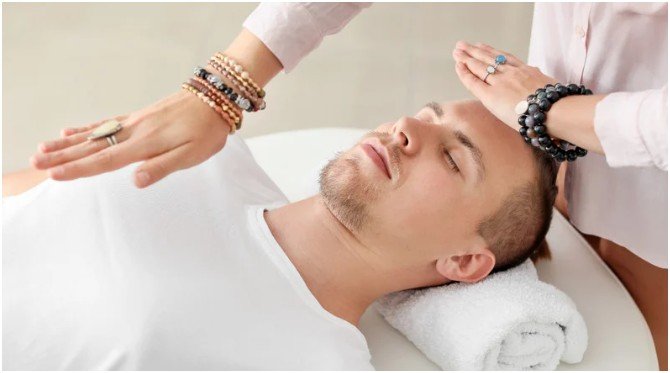
When I talk about energy healing, I mean complementary practices that aim to balance the body’s “life force energy” (people call it Qi, Prana, or Ki depending on the tradition). The idea is simple: stress and emotional strain can create “stuck” patterns—energetic or emotional blockages—that show up as tension, overwhelm, racing thoughts, or that heavy feeling in your chest.
What makes energy healing for stress and anxiety feel helpful is the way it encourages a deep relaxation response. It aims to shift your body from fight-or-flight (sympathetic mode) into rest-and-digest (parasympathetic mode).
When that shift happens, everything gets easier: breathing slows, thoughts soften, and your body finally gets the memo that you’re safe.
I also like the mind-body angle. These practices build inner listening. Instead of living in my head all day, I notice what my body needs—water, movement, rest, boundaries—before stress turns into a full-blown meltdown.
Which energy healing modalities actually help with stress and anxiety?
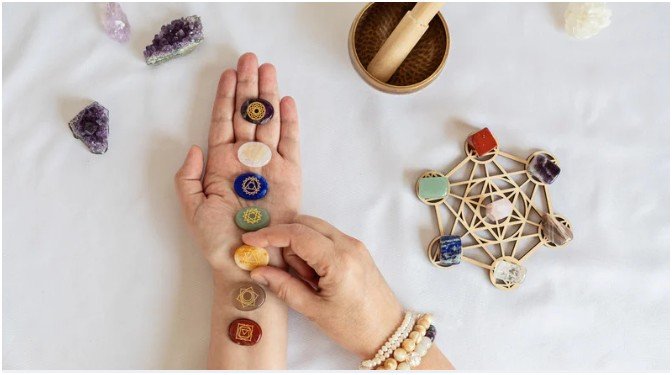
I don’t treat this like a “pick one forever” situation. Different modalities work better for different people, and even for different seasons of your life. Here are the most common options that show up in wellness centers (and increasingly in integrative settings), with the vibe of each one.
Quick comparison table: what each modality feels like
| Modality | What it involves | Best for when you feel… | Why it helps |
| Reiki | Light touch or hands hovering | Emotionally overloaded, drained | Promotes deep relaxation and “unclenches” the system |
| Acupuncture | Thin needles at meridian points | Restless, tense, anxious-body symptoms | Supports nervous system regulation and endorphin release |
| Qigong / Tai Chi | Gentle movement + breath + focus | Mentally busy, stuck in racing thoughts | Breaks the loop and improves emotional regulation |
| Sound Healing | Singing bowls, gongs, frequencies | Overstimulated, insomnia-prone | Helps quiet the mind and ease into a meditative state |
| Pranic Healing | Non-touch scanning/cleansing of aura | Heavy, foggy, energetically “gross” | Focuses on removing stagnant energy and replenishing it |
Reiki feels like a soft exhale. A practitioner uses light touch or hovers hands above the body to support relaxation and clear energetic blockages. When I want comfort without effort, Reiki fits perfectly.
Acupuncture comes from Traditional Chinese Medicine (TCM) and uses thin needles at meridian points to restore the flow of Qi. People often connect it to reduced cortisol and calmer regulation. I like it when my anxiety shows up physically—tight chest, tense neck, jumpy nervous system.
Qigong and Tai Chi feel like meditation that doesn’t require you to sit still and “be zen.” Gentle movement plus breath helps interrupt racing thoughts and brings you back into your body. This one helps me when stress comes with mental noise.
Sound healing uses vibrations—singing bowls, gongs, and sometimes specific frequencies like 432 Hz or 528 Hz. I don’t overthink the numbers. I pay attention to the effect: my brain stops sprinting, and my body drops into a calmer rhythm.
Pranic healing uses non-touch techniques like scanning and cleansing the aura to remove stagnant energy linked to stress. It’s not everyone’s style, but some people love how “light” they feel afterward.
How does energy healing for stress and anxiety calm the nervous system?
When anxiety hits, your nervous system tries to protect you—even if nothing dangerous happens. Your body shifts into fight-or-flight, and suddenly you feel tense, reactive, and stuck in alert mode. Energy healing aims to guide you back into rest-and-digest, where your body can recover.
A lot of people describe measurable, body-level changes around sessions: calmer breathing, lower tension, improved sleep quality, and that “I can think again” clarity.
Some research discussions also mention markers like heart rate variability (HRV), which reflects how well your nervous system adapts and recovers. You don’t need to track HRV to benefit, though. Your body will tell you when it feels safer.
I also notice something emotional: sessions can bring release. Not the dramatic movie kind. More like “oh… that weight lifted.” Sometimes I feel tired afterward. Sometimes I feel lighter. Either way, I consider it my system processing what it’s been holding.
What about chakra balancing—does it matter for anxiety?
Chakra work shows up in many energy practices, and I treat it like a helpful map. You don’t need to memorize every chakra to get value from the concept.
For anxiety, people often focus on the Root Chakra (Muladhara)—the energy center linked to safety, stability, and groundedness. When I feel shaky, uncertain, or stuck in fear mode, grounding practices feel especially effective. I don’t use chakra language to label myself. I use it to choose the right support.
If you prefer a more clinical lens, you can translate chakra work into nervous system terms: grounding cues safety. Safety cues calm. Calm makes your coping skills actually work.
How do I use energy healing for stress and anxiety in a real weekly routine?
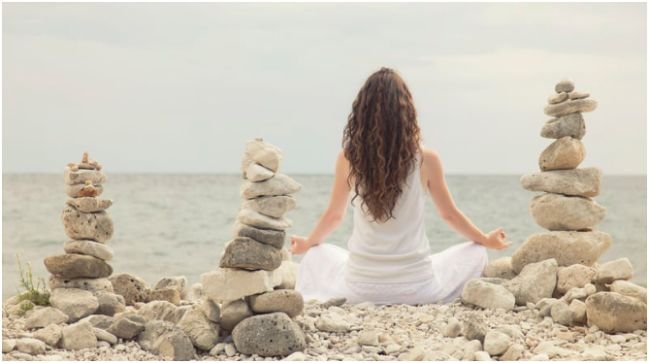
I keep this simple because complicated routines stress me out. I use energy practices the way I use stretching: small, consistent, and easy to repeat.
If I feel mild stress, I choose a quick at-home tool (breathwork, grounding, hands-on calming). If I feel persistent anxiety, I book a session (Reiki, acupuncture, sound healing, or movement-based practice). If I feel severe symptoms, I prioritize professional medical or mental health care and use energy healing as support, not substitution.
This approach keeps me honest. Energy healing helps me feel better, but it doesn’t replace treatment for serious anxiety or depression. It works best as part of a bigger wellness plan.
My step-by-step reset using energy healing practices at home
When I need a fast nervous system reset, I do this in under 10 minutes. No crystals. No performance. Just simple cues that tell my body to chill.
Step 1: Ground your body (2 minutes).
If I can, I stand barefoot on natural ground. If I can’t, I stand still indoors and imagine roots growing from my feet into the earth. I let my shoulders drop and unclench my jaw. I keep it basic.
Step 2: Box breathing (4 minutes).
I inhale for 4 counts, hold for 4, exhale for 4, hold for 4. I repeat. This pattern gives my brain a clean, steady signal: “We’re safe enough to slow down.”
Step 3: Hands-on calming (2–3 minutes).
I rub my palms together until they feel warm. Then I place my hands over my chest or my forehead. I breathe slowly and focus on the sensation of warmth and pressure. This is my simplest version of self-Reiki—no special rules, just supportive touch and attention.
Step 4: Close with one small decision (30 seconds).
I ask: “What’s the next kind thing I can do for myself?” Water. Walk. Food. A boundary text. A shower. Something doable. Stress shrinks when I stop negotiating with my needs.
FAQ: Real questions I hear about energy healing for stress and anxiety
1. Is energy healing for stress and anxiety legit, or is it just placebo?
I look at it like this: if something helps your body shift out of fight-or-flight safely, it has value. Many people report real changes—better sleep, less tension, calmer thinking—even if science still builds larger, high-quality studies for every modality.
I don’t rely on energy healing alone for serious anxiety, but I absolutely use it as a supportive tool. If it helps you feel calmer and makes your other healthy habits easier, that’s a win.
2. How often should I do energy healing if I feel anxious a lot?
I like a layered approach. I use small daily tools (breathwork, grounding, hands-on calming) and add sessions weekly or biweekly when anxiety runs high.
Consistency matters more than intensity. If you only do a session when you feel like you’re already crashing, you’ll always play catch-up. A steady rhythm helps your nervous system learn calm as a normal state—not a rare vacation.
3. Can I combine Reiki, acupuncture, and Qigong—or is that too much?
You can combine them if you keep it practical and listen to your body. I often pair movement practices like Qigong or Tai Chi with occasional Reiki or acupuncture sessions.
The key is not stacking everything in one week out of panic. If you feel more grounded and you sleep better, keep going. If you feel overstimulated or emotionally raw, slow down and give your system time to integrate.
4. What should I watch out for—any side effects?
Most people handle energy healing well because it’s gentle and non-invasive. Still, you might feel tired, emotional, or “spaced out” afterward, especially if you release tension you’ve held for a long time.
I plan a little recovery buffer when I can—water, a calm evening, an early bedtime. And if you have severe anxiety, clinical depression, trauma symptoms, or medical concerns, treat energy healing as complementary and keep professional care in the mix.
Calm, but make it sustainable (because you have a life)
Here’s my honest take: energy healing for stress and anxiety works best when I treat it like a lifestyle skill, not a last-minute rescue mission. I use it to create space between me and my stress. That space helps me make better choices—sleep, boundaries, movement, support—before anxiety takes the wheel.
If you try one thing today, try this: do four rounds of box breathing, then place your warm hands over your chest for one minute. It’s simple, but it tells your nervous system something powerful—you’re here, you’re safe enough, and you’re not doing this alone.


