Holistic healing techniques for emotional balance have become a non-negotiable part of how I manage stress, emotions, and mental overload. When life feels noisy or emotionally heavy, I do not look for quick fixes.
I focus on routines that support my mind, body, and nervous system together. That whole-person approach makes emotional balance feel sustainable instead of fragile.
I have learned that emotional stability does not come from controlling feelings. It comes from regulating the systems that influence them. When I support my breath, movement, energy, creativity, and daily habits, my emotions settle naturally instead of swinging from one extreme to another.
Why Do Holistic Healing Techniques for Emotional Balance Work So Well?
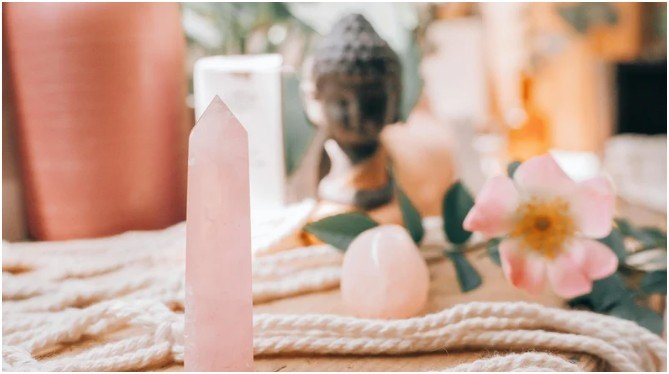
Holistic healing techniques for emotional balance work because emotions do not live only in the mind. They show up in the body through tension, shallow breathing, fatigue, and restlessness. When I address those physical signals, my emotional state shifts without force.
Another reason these techniques work is consistency. Small daily practices calm the nervous system over time. Instead of reacting emotionally, I notice more space between what happens and how I respond. That space is where emotional balance grows.
Most importantly, holistic approaches respect individuality. I can adjust them based on my energy, schedule, and emotional needs instead of following rigid rules.
Which Mind-Body Practices Help Regulate Emotions Daily?
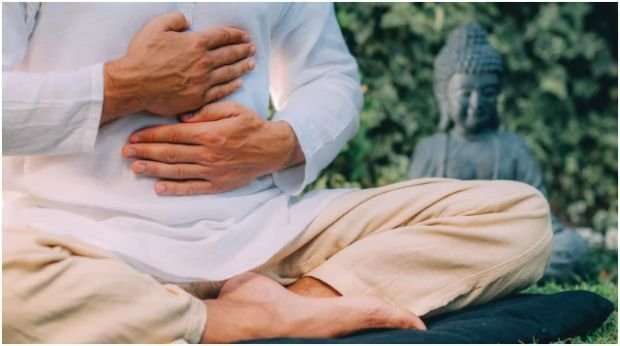
Mind-body practices form the backbone of my emotional routine. Yoga therapy helps me release tension that builds up during long workdays. I notice emotional heaviness melting away when I focus on slow, intentional movement paired with steady breathing.
Breathwork gives me fast relief when emotions spike. Box breathing and alternate nostril breathing lower my heart rate and help my body exit fight-or-flight mode. Even five minutes can change how the rest of my day feels.
Tai Chi and Qigong feel gentle but powerful. The slow movements ground my thoughts and improve emotional clarity without draining my energy. I use them on days when I feel mentally scattered or overstimulated.
How Do Energy-Based Healing Methods Support Emotional Balance?
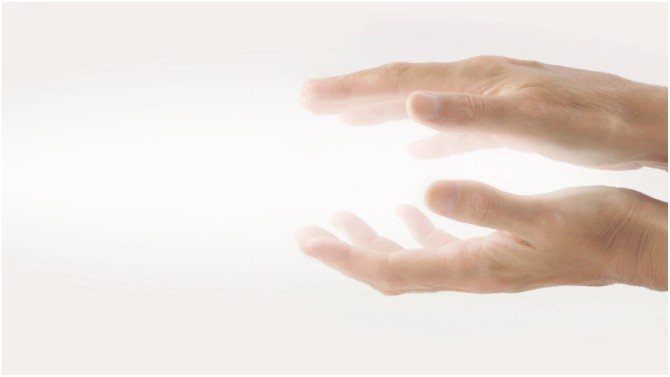
Energy-based healing supports emotional balance by addressing stress patterns that feel deeper than surface tension. I see these methods as supportive tools rather than replacements for self-awareness or medical care.
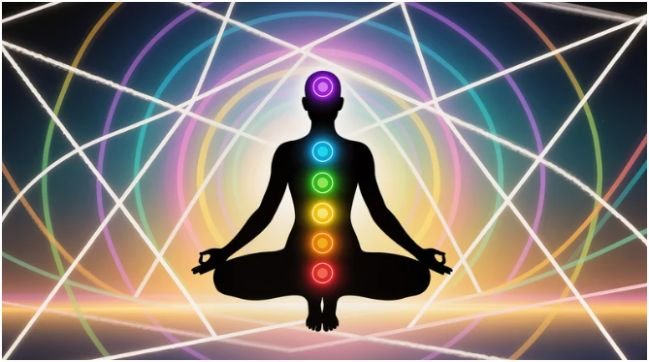
Reiki sessions help my body relax deeply. That relaxation often brings emotional release without needing to talk through everything. Chakra balancing gives me insight into emotional themes, especially when I feel disconnected or creatively blocked.
Sound healing with Tibetan singing bowls creates a calming vibration that resets my mood. Acupuncture works differently but delivers similar results by encouraging balance through specific points in the body.
What Natural Remedies Calm the Nervous System Gently?
Natural remedies support emotional balance through the senses. Aromatherapy plays a big role in my routine. Lavender helps me unwind in the evening, while peppermint boosts focus when my energy dips.
Herbal teas like chamomile calm my nervous system before sleep. Adaptogens such as ashwagandha support stress resilience when life feels demanding. These remedies work best when used consistently rather than only during emotional overload.
Bach flower remedies offer subtle emotional support. I use them during stressful transitions or emotionally charged periods when I need extra grounding.
Why Do Creative Practices Improve Emotional Balance?
Creative expression helps me process emotions that words cannot reach. Journaling allows me to track emotional patterns and identify triggers before they spiral. Writing a few honest lines each day keeps my emotional world organized.
Art and music therapy offer emotional release without analysis. Painting, listening to calming music, or using sound therapy helps shift my mood naturally. These practices remind me that emotional balance does not always require problem-solving.
Creativity creates emotional flow. When emotions move freely, they do not stagnate or overwhelm.
How I Use Holistic Healing Techniques for Emotional Balance Every Day
How-To: Build a Simple Daily Emotional Balance Routine
Step 1: I start my morning with five minutes of breathwork to calm my nervous system before checking my phone.
Step 2: I add gentle movement like yoga or stretching to release overnight tension.
Step 3: During the day, I pause for grounding moments such as a short walk or mindful breathing.
Step 4: In the evening, I journal or use aromatherapy to signal emotional closure for the day.
Step 5: Before sleep, I drink calming herbal tea and limit stimulation to protect emotional rest.
This routine keeps emotional balance steady without feeling overwhelming or time-consuming.
Quick Comparison of Holistic Techniques by Use Case
| Technique | Best For | Time Needed |
| Breathwork | Immediate emotional relief | 5–10 minutes |
| Yoga Therapy | Releasing stored tension | 20–40 minutes |
| Journaling | Emotional clarity | 5–15 minutes |
| Aromatherapy | Mood regulation | Passive |
| Sound Healing | Deep relaxation | 10–30 minutes |
FAQs About Holistic Healing Techniques for Emotional Balance
1. Are holistic healing techniques for emotional balance scientifically supported?
Some holistic techniques have strong research support, especially breathwork, meditation, yoga, and acupuncture. Others come from traditional healing systems and rely more on experiential evidence. I approach them as complementary tools that support emotional regulation rather than miracle cures.
2. How long does it take to feel results?
I usually notice small shifts within a week of consistent practice. Deeper emotional balance builds over time. The key is routine, not intensity. Gentle daily habits outperform occasional long sessions.
3. Can holistic healing replace therapy or medication?
Holistic practices support emotional well-being but do not replace professional mental health care. I see them as part of a broader wellness toolkit that works best alongside medical guidance when needed.
4. What if I feel skeptical about energy healing?
Skepticism is healthy. I recommend starting with evidence-based practices like breathwork or movement. You can explore energy-based methods later if curiosity grows.
Emotional Balance Is a Practice, Not a Personality Trait
Holistic healing techniques for emotional balance have taught me that calm is something I practice, not something I wait for. Emotional balance grows from small, repeatable habits that support the nervous system and respect emotional cycles.
My biggest tip is to start simple. Choose one practice that fits your lifestyle and build from there. Emotional balance becomes easier when your daily routine supports it quietly in the background.