

If you’ve ever paused and wondered how does reiki healing work, you’re not alone. I asked the same question before I booked my first session. I wanted something calming, supportive, and practical, not mystical jargon or wild promises. What I found was a gentle practice that fits surprisingly well into real life, especially when stress, anxiety, or emotional overload start running the show.
Here’s the straight-up explanation, based on experience, research, and what actually happens in a session. No hype. No pressure. Just clarity.
How does reiki healing work at its core?

At its core, how does reiki healing work comes down to energy and relaxation. Reiki comes from Japan and was developed by Mikao Usui. The idea is simple: a universal life energy flows through all of us, and stress or emotional strain can throw that flow off balance.
During a Reiki session, I don’t “push” energy into you. I act as a channel. The energy flows where your body needs it most. That shift often nudges your nervous system out of fight-or-flight mode and into rest and repair. That’s why many people feel calmer within minutes.
From a lifestyle perspective, I see Reiki as nervous system hygiene. Just like stretching your body or taking a walk resets tension, Reiki helps reset internal stress patterns that build up quietly over time.
How does reiki healing work during an actual session?
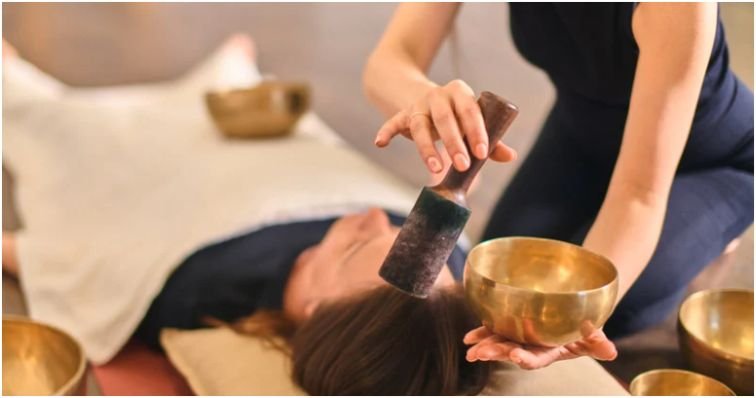
If you’re curious how how does reiki healing work in real time, the setup is refreshingly simple. You stay fully clothed and lie down or sit comfortably. Soft lighting and a calm environment help your body relax quickly without effort.
I move my hands through a series of positions over your head, torso, and back. Sometimes my hands rest lightly on the body, and sometimes they hover just above it. Each position lasts a few minutes, depending on what your body seems to respond to.
Most people notice warmth, tingling, or a gentle pulsing sensation. Others feel deeply relaxed, like that half-awake state right before sleep. From my experience, the magic isn’t dramatic. It’s subtle, steady, and grounding.
How does reiki healing work with the body and mind together?
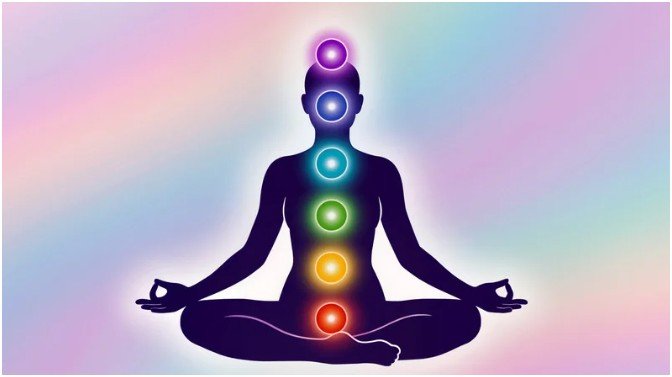
One reason people keep asking how does reiki healing work is because it doesn’t target just one symptom. It works on the body and mind as a system. When stress drops, muscles soften. When anxiety eases, sleep improves. When the mind slows, the body follows.
Research suggests Reiki may activate the parasympathetic nervous system. That’s the part responsible for lowering heart rate and blood pressure. Even without believing in energy concepts, the relaxation response alone can support healing.
I always explain Reiki as complementary care. It doesn’t replace medical treatment. It supports your body’s ability to recover, cope, and regulate itself better alongside conventional care.
How does reiki healing work if you’re skeptical?

This is the elephant in the room, so I’ll say it plainly. You don’t need blind belief for how does reiki healing work to have an effect. I’ve worked with analytical, skeptical people who simply came in to relax.
What matters is your willingness to rest. Reiki creates a structured pause. Your phone stays off. Your body gets still. Your nervous system finally gets a break. That alone can explain many benefits people report.
I also stay honest about limits. Reiki won’t cure disease or erase trauma overnight. What it can do is create space for your body and emotions to settle so healing processes work more efficiently.
How does reiki healing work as a lifestyle habit?
I like to frame how does reiki healing work within everyday routines. Think of it like meditation without effort. You don’t need training, flexibility, or discipline. You just show up.
Some people schedule sessions monthly as stress maintenance. Others use Reiki during emotionally heavy periods, burnout, or recovery from illness. The consistency matters more than frequency.
Here’s a simple comparison that helps clients decide:
| Practice | Effort Required | Mental Focus | Best For |
| Meditation | Moderate | High | Mental clarity |
| Massage | Low | None | Muscle tension |
| Reiki | Very low | None | Stress + emotional balance |
How to try Reiki safely and realistically
If you’re ready to experience how does reiki healing work firsthand, start with intention and realism.
First, choose a certified practitioner who explains the process clearly and doesn’t promise miracles. Transparency builds trust. Before the session, I recommend eating lightly and hydrating well so your body stays comfortable.
During the session, notice sensations without judging them. There’s no right or wrong response. Afterward, drink water and rest if possible. Some people feel energized, while others feel deeply calm.
The biggest tip I give is simple. Treat Reiki as supportive care, not a quick fix. That mindset keeps expectations healthy and results grounded.
How does reiki healing work according to science?

Science doesn’t currently prove the existence of universal life energy, and I’m upfront about that. Still, studies show Reiki may reduce stress, anxiety, and pain more than placebo in certain settings.
From a practical angle, the benefits align with what happens when the nervous system relaxes deeply. Lower cortisol, slower breathing, and improved emotional regulation all support recovery.
That’s why hospitals increasingly offer Reiki as complementary care. It works alongside medicine, not against it. For many people, that balance makes all the difference.
Frequently Asked Questions About Reiki
1. How does reiki healing work if I fall asleep?
That’s completely normal. When you sleep, your nervous system relaxes even more deeply. Reiki still flows, and many people report better results when they don’t try to “feel” anything. Sleep simply means your body feels safe enough to rest.
2. How does reiki healing work without physical touch?
Reiki doesn’t rely on pressure or manipulation. Energy work focuses on intention and presence. Hands placed just above the body can still create warmth, tingling, and relaxation because the nervous system responds to subtle cues.
3. How does reiki healing work for anxiety or stress?
Reiki helps calm the stress response. Many people notice slower breathing, reduced mental chatter, and emotional release during sessions. Over time, this can make daily stress feel more manageable and less overwhelming.
4. How often should I book Reiki sessions?
That depends on your lifestyle. Some people come weekly during stressful periods, while others book monthly for maintenance. I usually suggest starting with one session and adjusting based on how your body responds.
So… does Reiki quietly work its magic?
Here’s my honest take. How does reiki healing work isn’t about dramatic transformations. It’s about creating a pause your body desperately needs. In a world that constantly demands attention, Reiki gives your nervous system permission to exhale.
My personal tip is this. Go in curious, not desperate. Treat Reiki like a reset button, not a rescue rope. When you do, the calm tends to show up exactly where you need it most.


