

Setting a regular cleaning schedule feels easy when it reflects personal needs. People in Selkirk enjoy having predictable visits that help maintain clean teeth and relaxed gums. This rhythm supports steady oral wellness and keeps dental care simple.
A visit to a Selkirk dentist confirms the right timing for dental cleanings based on comfort, lifestyle, and oral health. That guidance shapes a routine that fits naturally into daily life. It refreshes the mouth and limits buildup. Clear communication creates strong habits and supports healthy teeth.
A consistent schedule keeps smiles bright and comfortable for years.
Understand Routine Cleaning Schedules

Most individuals feel comfortable with cleaning appointments spaced a few months apart. Dentists in Selkirk shape these intervals to match each mouth, which keeps the schedule practical. This removes uncertainty and helps residents feel guided. Local families appreciate this type of steady rhythm.
Many adults schedule cleanings roughly three times each year to keep tartar from settling in difficult areas. This timing helps plaque stay controlled without disrupting daily life. People who maintain good brushing habits notice that this process refreshes their teeth and catches small concerns early.
Why Dental Cleaning Frequency Can Vary
A few key points explain why dental cleaning intervals differ. Individuals benefit from clear guidance on what can shape their schedule.
- Gum Sensitivity: People with tender gums gain comfort from more frequent cleanings.
- Tartar Rate: Some mouths collect buildup faster, so shorter intervals help maintain smooth teeth.
- Health Changes: Shifts in medication or wellness can influence how plaque forms.
- Lifestyle Factors: Eating habits and daily routines affect how quickly stains appear.
The Link Between Lifestyle And Cleaning Needs
Food choices influence how frequently someone may want a dental cleaning. Diets that include more starch or sugar increase plaque, so it helps maintain freshness. People who drink coffee or tea appreciate regular polishing to slow staining. These small steps keep the mouth comfortable.
Activity levels also play a role. Active individuals sometimes breathe through their mouths more during exercise, which changes moisture levels and affects plaque. Selkirk Dentist use these details to guide recommendations. When lifestyle factors influence oral conditions, tailored schedules help each person stay confident in their routine.
Why Children And Teens Need Different Timing
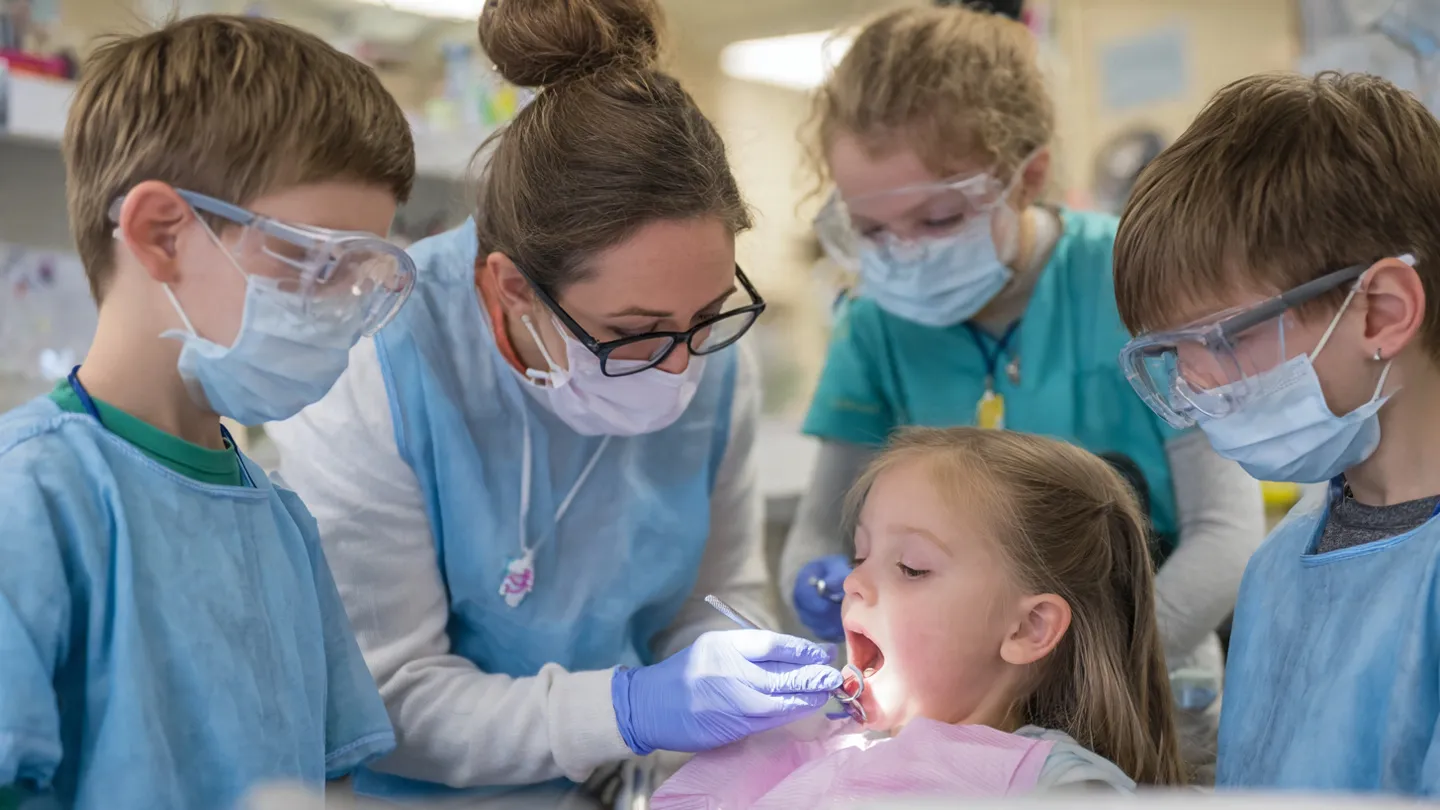
Children in Selkirk have developing teeth that benefit from structured care. Their brushing habits are still building, so cleanings support strong technique. Regular visits keep early plaque from settling in tight spaces. Families value knowing their children have steady support.
Teens experience natural shifts that affect oral health. New growth creates areas where plaque sits easily. Cleanings support gum comfort and help teens feel more at ease with their changing smiles. This steady care helps their daily brushing feel more effective.
How Regular Checkups Strengthen Ongoing Comfort
Routine checkups give the dentist a clear view of how the teeth and gums respond between cleanings. These visits make it easier to catch small areas of buildup that brushing misses. People in Selkirk get a more accurate sense of what their mouths need when checkups and cleanings stay on the same schedule. This steady approach helps keep the mouth feeling balanced.
These appointments also reinforce simple daily habits that support comfort. When the dentist points out specific spots that need more attention, brushing becomes more targeted. Cleanings feel smoother because the mouth stays in better shape between visits.
A visit to a Selkirk dentist confirms the right timing for cleanings based on comfort, lifestyle, and oral health. That guidance shapes a routine that fits naturally into daily life. Cleanings refresh the mouth and limit buildup. Clear communication creates strong habits and supports healthy teeth. A consistent schedule keeps smiles bright and comfortable for years.


