Eating healthy doesn’t have to be complicated or expensive—even when food access is limited. Whether you’re facing a tight budget, limited options at the grocery store, or just don’t have access to fresh food regularly, there are practical ways to make nutritious meals without breaking the bank.
I’ve found that with a little planning and some creative strategies, you can eat well even when food choices are limited.
How Can You Eat Healthy on a Budget?
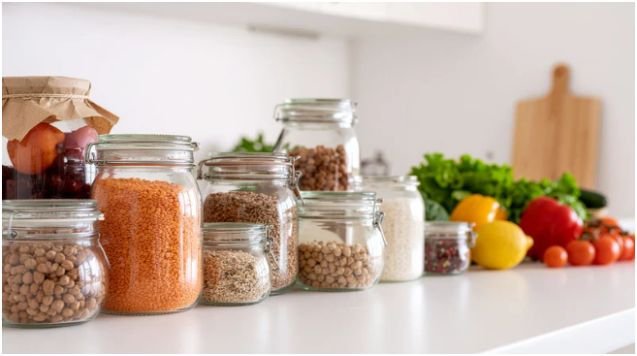
The first thing to remember is that eating healthy on a budget is possible. You don’t need to buy fresh produce every week or expensive supplements to maintain a healthy diet. What you need are nutrient-dense, affordable, shelf-stable options that last. Here’s what I do:
1. Prioritize Nutritious, Shelf-Stable Staples
When food access is limited, having a few key staples on hand can make all the difference.
- Canned goods are a lifesaver. I always keep canned vegetables (look for ones in water, not syrup) and beans stocked in my pantry. They’re rich in fiber and protein, and they last forever. Canned tuna, salmon, and sardines are also affordable and packed with healthy omega-3s. These heart-healthy proteins are cheaper than fresh fish and just as nutritious.
- Whole grains are another essential. I stock up on things like brown rice, quinoa, and whole-wheat pasta. These grains are high in fiber and filling, which helps stretch meals further. A bag of oats can last for weeks and makes for a great breakfast or a base for other dishes.
2. Take Advantage of Frozen Foods
Frozen fruits and vegetables are often just as nutritious as fresh options—sometimes even more so since they’re frozen at their peak ripeness. They’re also super convenient because they don’t spoil quickly.
- Frozen veggies like peas, broccoli, and spinach are easy to add to soups, stews, or stir-fries. I usually buy frozen berries and keep them in my freezer for smoothies or to top off my oatmeal. They’re often cheaper than fresh berries, which can go bad quickly.
- If you get fresh produce that you can’t eat fast enough, consider bulk freezing it. I’ve saved money and reduced food waste by buying in-season produce, freezing it in portions, and using it as needed.
What Are the Best Shopping Strategies?
Having limited food access often means being strategic about where and how you shop. Let’s get real: we don’t always have access to farmers’ markets or the freshest options at high-end grocery stores. Here’s how to make the most of what you can get:
3. Shop Smart: Generic Brands, Bulk Buying, and Sales
One of the best habits I’ve developed is to buy generic or store-brand items. These products are often identical to name-brand items but much cheaper. For example, I’ll buy store-brand oats, canned beans, and frozen veggies. They offer the same nutritional value for a fraction of the cost.
- Buying in bulk is another great way to stretch my dollars. I buy rice, lentils, and beans in larger quantities. These foods last a long time, and buying them in bulk helps lower the cost per meal.
- Sales and discounts are my best friend. I always check for sales on canned goods or frozen food and stock up when prices drop. When fresh produce is on sale, I buy it and either use it immediately or freeze it for later.
4. Maximize What You Have with Batch Cooking
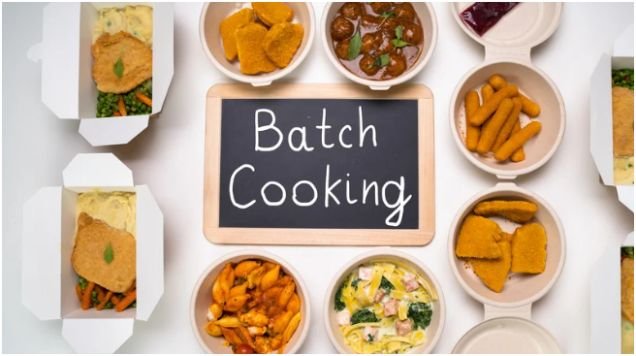
Batch cooking is a game-changer for me. When I have the ingredients available, I’ll cook large portions of soups, stews, or casseroles. Then, I’ll store the leftovers in the fridge or freezer. This reduces the chances of me resorting to less healthy, convenience foods when I’m in a rush.
- Batch-cooked meals like a big pot of lentil soup or a bean stew can provide several days’ worth of meals. I simply pull them out of the freezer when I need something quick and nutritious.
- Don’t be afraid of “no-cook” meals either! I love making grain bowls with microwaveable brown rice, canned beans, frozen veggies, and a protein source like canned tuna or rotisserie chicken. It’s quick, filling, and healthy.
How Do You Make the Most of Community Resources?
Sometimes, food access can be so limited that we need to lean on community resources. Thankfully, there are plenty of programs designed to help.
5. Leverage Federal and Local Programs
If you’re facing food insecurity, look into SNAP (Supplemental Nutrition Assistance Program) or WIC for additional help. These programs often offer not only financial assistance but also educational resources and apps to help you shop for healthier, eligible foods.
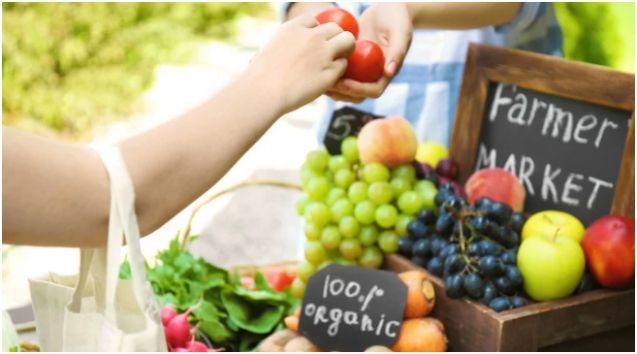
- Farmers’ Markets often offer double-up programs for food assistance. This means if you use your SNAP benefits, you can get double the value in fresh fruits and vegetables. I’ve used this at local markets to stock up on fresh produce while stretching my benefits further.
- Check out local food pantries and community gardens—these resources can be a great way to access healthy, free, or low-cost food.
FAQ: How Can I Make the Most of Limited Food Access?
1. Can I get enough nutrition with canned and frozen foods?
Yes! As long as you choose options without added sugar, salt, or preservatives, canned and frozen foods can be just as nutritious as fresh ones. The key is to rinse canned vegetables to remove excess salt and choose frozen items without added sauces or sugar.
2. How do I make my meals more exciting with limited ingredients?
You don’t need a lot of ingredients to make a meal flavorful. Experiment with spices, herbs, and simple sauces. I often use garlic powder, onion powder, and olive oil to add depth to my dishes. Hot sauce or a little lemon juice can also elevate simple grains or veggies.
3. What if I don’t have a lot of cooking equipment?
No worries! You can create healthy meals with minimal equipment. I use a microwave, a small pan, and a few basic utensils. Pre-cooked grains, canned beans, and frozen veggies make it easy to create meals without much prep or cooking time.
Healthy Eating on a Budget—It’s All About Strategy
Eating healthy with limited food access might seem challenging, but I’ve found that with the right strategies, it’s more than possible.
By focusing on nutritious staples, optimizing frozen options, and using smart shopping techniques, you can build meals that are both affordable and packed with nutrients. Remember, it’s all about being resourceful and planning ahead. If I can do it, so can you!