

I’ve been there—caught in the cycle of grabbing processed snacks, ordering takeout, and feeling sluggish. But a few months ago, I decided it was time to change. I wanted to feel more energized, less bloated, and, honestly, more in control of my diet. I started learning how to reduce processed food intake, and along the way, I found some simple strategies that worked for me. Here’s what I did—and how you can do it too.
Why I Decided to Cut Back on Processed Foods

Processed foods, especially ultra-processed ones (UPFs), were a big part of my diet. Things like sugary cereals, packaged chips, and frozen meals.
While they were convenient, I started noticing the toll they were taking on my energy levels and overall health. I felt sluggish, gained a few extra pounds, and didn’t have the same “get-up-and-go” I used to have.
That’s when I decided to start cutting back on processed foods—not cold turkey, but with small, sustainable changes.
How I Started Reducing Processed Food in My Diet
It wasn’t an overnight change. I knew I needed to start small, focusing on one swap at a time. Here’s how I went about it:
What I Learned About Shopping Smart to Cut Processed Food
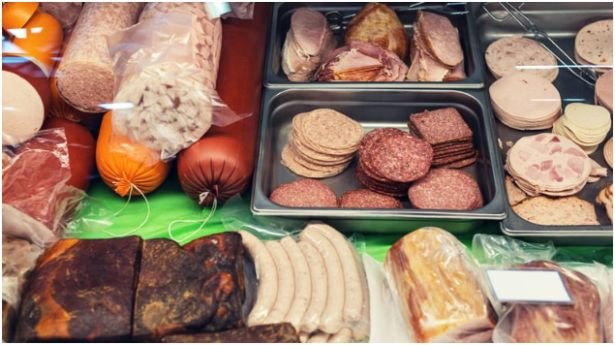
My grocery shopping habits had to change, and this made a huge difference in my success.
- Shop the Perimeter: I always shopped the perimeter of the store—fruits, vegetables, meats, fish, and dairy are all located there. The middle aisles were full of processed snacks, canned foods, and sugary treats, so I steered clear of those as much as possible.
- Follow the “Rule of 5”: I started reading labels more carefully. If a product had more than five ingredients or included things I couldn’t pronounce, I’d put it back on the shelf. This rule helped me avoid many ultra-processed foods.
- Identifying Hidden Sugars: At first, I didn’t realize how much sugar was hiding in processed foods. Now, I always check the ingredients for things like high-fructose corn syrup or invert sugar. Using the NHS Food Scanner App has been super helpful in identifying sneaky added sugars in my groceries.
The Simple Food Swaps I Made
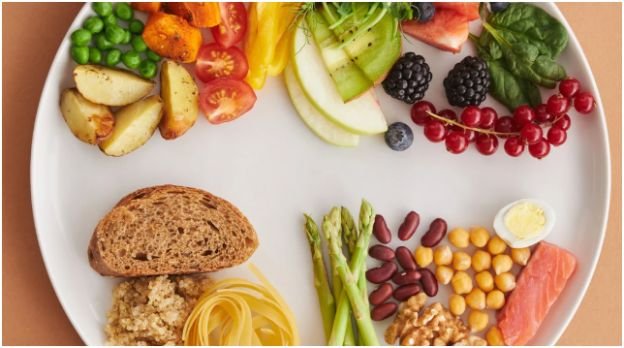
When I started out, I wasn’t looking for a complete overhaul—just smarter swaps that fit into my routine. Here’s what worked for me:
- Grains: I swapped white bread, white rice, and pasta for brown rice, quinoa, and whole-wheat pasta. Not only did I feel fuller longer, but the fiber content helped with digestion.
- Snacks: I stopped reaching for chips and cookies. Instead, I kept unsalted nuts, air-popped popcorn, and raw veggies with hummus on hand. The crunch was just as satisfying, and I didn’t feel guilty afterward.
- Drinks: I used to drink a lot of soda and energy drinks. Now, I mostly drink sparkling water, unsweetened tea, and water with lemon or cucumber. Not only does it keep me hydrated, but I no longer feel the sugar crashes.
- Proteins: Instead of deli meats or frozen dinners, I choose fresh chicken, fish, or beans. I keep it simple—grilled or roasted proteins paired with veggies, and it’s always satisfying.
Meal Prep Made All the Difference
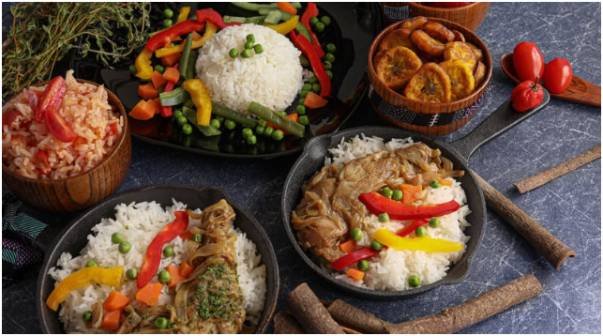
One of the biggest game changers for me was meal prepping. I knew that when I was busy, I’d be tempted to grab something processed if I didn’t have healthy options available. So, I dedicated Sundays to prepping meals for the week.
- Batch Cooking: I cooked large batches of whole-food meals like quinoa bowls, vegetable stir-fries, and soups. I portioned them out into containers and stored them in the fridge or freezer.
- Pre-Cutting Veggies: I also started cutting up fresh vegetables right after I bought them. This way, they were ready to go for snacks or meals. Having fresh veggies already prepped made it so much easier to throw together a quick meal.
- DIY Staples: I even started making my own salad dressings and granola. This not only cut down on added sugars and preservatives but also saved me money. Plus, it’s super easy to do.
How to Stay on Track in Social Situations
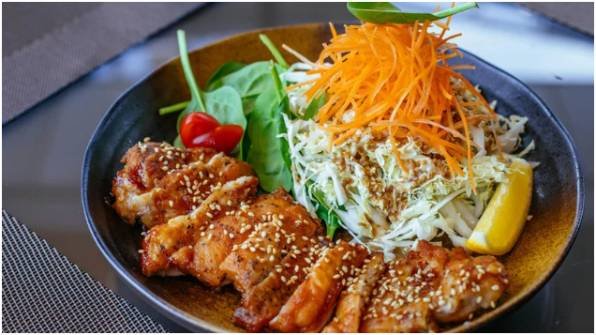
Let’s face it: socializing often means being surrounded by tempting processed foods. Here’s how I dealt with that:
- Be Strategic When Eating Out: I stopped making excuses for ordering unhealthy options at restaurants. Now, I look for grilled, poached, or steamed dishes, like a grilled fish salad or a grain bowl with veggies. It’s easier than you think to stick to whole, fresh ingredients when dining out.
- Mindful Eating: I also made a conscious effort to slow down and really enjoy my food. By paying attention to my hunger cues, I found I wasn’t as inclined to overeat or snack mindlessly.
- Stay Hydrated: I drink a lot of water—especially during meals. A lot of the time, thirst can feel like hunger, so staying hydrated has helped me manage cravings.
How to Reduce Processed Food Intake (Step-by-Step Guide)
If you’re ready to make changes like I did, here’s a simple plan to get you started:
- Start Small: Pick one thing to swap for a week, like choosing whole-wheat bread over white. Gradually build from there.
- Plan Your Meals: Set aside a specific time each week to prep meals. This way, you have healthy options ready when you’re short on time.
- Use What You Have: You don’t need to buy a ton of new ingredients. Just use what’s already in your pantry and fridge to create healthier meals.
FAQ: How to Reduce Processed Food Intake
Here are a few questions I’ve had along the way, and I’m happy to share my answers:
1. What counts as processed food?
Processed foods are anything that’s been altered from its original form. The more additives and preservatives, the more processed it is. Ultra-processed foods (UPFs) have ingredients like artificial colors, preservatives, and emulsifiers—things you wouldn’t use in your kitchen.
2. How can I stick to a healthy diet when I’m super busy?
Meal prep is key! Set aside a few hours each week to batch cook meals. It’ll save you time during the week and keep you from reaching for processed options when you’re tired or busy.
3. Is it okay to eat processed foods sometimes?
Absolutely! It’s all about balance. You don’t need to completely cut out processed foods, but reducing them and making healthier swaps will have a positive impact on your overall health.
4. How can I stay on track during social events?
I always check the menu ahead of time and look for healthier options like grilled dishes or salads. If there aren’t many options, I eat before I go, or bring a healthy snack to avoid temptation.
Cutting Processed Food Doesn’t Have to Be Perfect, Just Better
Reducing processed food intake isn’t about being perfect. It’s about making small, consistent changes that add up over time.
Start with one swap, prep your meals, and keep focusing on whole, natural foods. You’ve got this—one step at a time.


