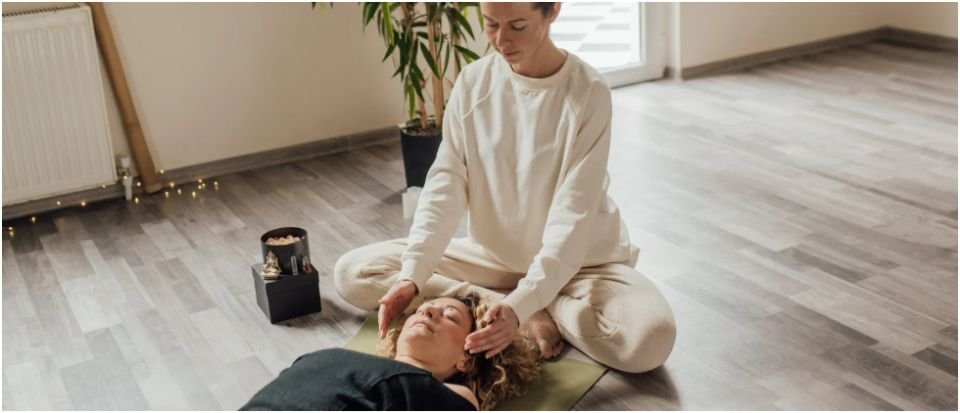
If you’ve been searching for a self healing class, you’ve probably noticed something annoying: a lot of top results feel like either a sales page or a vague “good vibes” overview with no real plan. Some pages list courses and pricing, but they don’t help you choose the right modality for your actual life. Others go deep into one method (like self-hypnosis or Reiki) but skip the part where you figure out whether that’s what you need.
So I’m doing this differently. I’m going to walk you through what a self healing class typically includes, what “good” looks like, how to avoid sketchy programs, and how to get results you can actually feel in your nervous system, your mood, and your daily routine.
What is a self healing class, and what do you actually learn in one?
A self healing class teaches you skills to support your mental, emotional, and physical well-being through structured practices. Think: guided techniques you can repeat on your own, not a one-time motivational high.
Most classes focus on the mind-body connection and self-regulation. That might include mindfulness meditation, breathwork, somatic exercises, energy healing, self-hypnosis, visualization, or gentle movement (like qigong-inspired flow). Many programs also blend multiple tools instead of sticking to one lane.
Here’s the difference I look for: a class should leave you with repeatable practice. If you finish a program and still don’t know what to do on a random Tuesday when you feel anxious or overwhelmed, it wasn’t a great self healing class.
Which type of self healing class fits your personality and goals?
This is where most competitor content falls short. A lot of pages describe what their class does, but they don’t help you match a method to your nervous system, your comfort level, and your goals.
Here’s my practical way to choose:
If you want to calm anxiety fast and feel grounded in your body, look for:
- Breathwork for nervous system regulation
- Somatic healing (body-based stress release, gentle movement, embodiment)
- Guided meditation with grounding cues
If you want to change patterns, confidence, or emotional triggers, look for:
- Self-hypnosis or subconscious re-patterning (great for habits and inner dialogue)
- Trauma-informed mindfulness (especially if you get overwhelmed easily)
If you want spiritual support or energy-based practices, look for:
- Reiki / energy healing for self-practice
- Pranic-style techniques
- Chakra-focused meditation
(Some courses even include attunements or guided sessions as part of the class structure.)
If you’re not sure, start with classes that teach multiple modalities. I like hybrid programs because you can test what works without committing your whole identity to one method.
What should a good self healing class include?
When I compare top-ranking pages, I see strong credibility in some places (expert review, pricing transparency, instructor background) but not enough structure for the student.
A high-quality self healing class usually includes:
A clear framework
You should see a weekly structure, learning outcomes, and what you’ll practice between sessions. If it’s only “show up and receive,” it’s not really teaching you self-healing skills.
Practice you can repeat at home
The best programs give you a short daily routine: 10–20 minutes that builds consistency. I love when classes include recordings or a simple schedule because it removes decision fatigue.
A safety-first tone
Look for “trauma-aware” or “trauma-informed” language, consent-based practices, and permission to opt out. Some programs explicitly describe trauma-aware design, which is a huge green flag.
How do I spot red flags before I enroll?
I’m not here to judge anyone’s beliefs. I’m here to protect your time, money, and mental health.
I personally avoid any self healing class that:
- Promises to “cure” serious illness or guarantees outcomes
- Shames therapy, medication, or doctors
- Uses fear-based marketing (“you’ll stay stuck unless you buy this”)
- Pushes expensive upsells before you’ve even learned the basics
A lot of legitimate instructors say “this supports well-being” instead of making medical claims. That tone matters.
How-To: How I’d start a self healing class routine (even if you’re busy)
If you want results, you need consistency—not intensity. Here’s the step-by-step routine I recommend after you join a self healing class, so you actually use what you learn.
Step 1: Pick a daily time trigger, not a “free time”
I tie my practice to something I already do: after brushing my teeth, after coffee, or right after I close my laptop. That makes it automatic.
Step 2: Commit to 10 minutes for 14 days
Most people quit because they aim for 45 minutes and miss day two. I’d rather you do 10 minutes daily for two weeks than 60 minutes once.
Step 3: Use a simple 3-part structure
I keep it basic:
- 2 minutes of slow breathing (downshift the nervous system)
- 6 minutes of the class practice (meditation, self-hypnosis, energy work, or somatic exercise)
- 2 minutes to journal one line: “What changed in my body?”
Step 4: Track signals, not perfection
I look for signs like: better sleep, fewer spirals, easier mornings, less jaw tension, calmer reactions. That’s real progress.
Step 5: Add depth only after it feels easy
Once the routine sticks, I expand. That’s when longer sessions, deeper emotional work, or advanced modules actually land.
What results can you realistically expect from a self healing class?
A good self healing class won’t turn you into a permanently calm zen master. It should give you tools that help you recover faster when life hits.
Common wins I see people report (and I’ve experienced myself):
- More emotional regulation (less snapping, less spiraling)
- Better body awareness (you notice stress earlier)
- Improved sleep consistency
- A stronger sense of self-trust because you can support yourself
Some programs focus on trauma healing and inner resources like self-compassion, with structured lessons designed to be taken at your own pace.
Frequently Asked Questions
1. Are self healing classes the same as therapy?
No. Therapy treats mental health conditions and works with diagnosis, history, and structured clinical methods. A self healing class can support your well-being and teach coping tools, but it doesn’t replace professional care.
2. What is the best self healing class for beginners?
I’d start with a beginner-friendly course that teaches foundational breathwork, guided meditation, and body-based grounding. If you’re curious about subconscious change, beginner self-hypnosis classes can also work well.
3. Can I take a self healing class online and still get results?
Yes—if the course includes repeatable home practice and a clear structure. Self-paced programs that teach embodied practices (like self-massage, breath coordination, and mindfulness) can work extremely well online.
4. How do I know if a self healing class is legit?
I look for instructor background, transparent pricing, a clear curriculum, and realistic claims. Bonus points if the program mentions trauma-aware design and encourages you to go at your own pace.
My bottom line on choosing a self healing class
If you want a self healing class that actually helps, don’t chase the “most magical” promise. Pick the class that gives you a simple plan you can repeat on regular days—when you feel tired, busy, and human.
That’s the real flex: building a practice that shows up for you in real life.